GET IN TOUCH TODAY

SERVICES

TRAINING

ABOUT US

MORE

GET IN TOUCH TODAY

GET IN TOUCH TODAY

  • Experienced Firefighter Team

    F&ES boasts a team with decades of experience as firefighters

  • We’re always on

    365 days a year, we’re here for you

  • UK Coverage

    Services across the UK

  • One-Stop Solution

    F&ES offers a comprehensive package of fire safety solutions and training

Water Rescue Training

With climate-related conditions changing rapidly and flood warnings becoming increasingly frequent across the UK, high-quality water rescue training is now essential for organisations responsible for public safety, site operations, and emergency preparedness.

At Fire & Evacuation Services, our water rescue training is delivered by experienced operational instructors, including emergency responders, Search and Rescue specialists, and fire and rescue crews with real-world experience in water, flood, and open water rescues.

Whether you need Water Awareness, First Responder / Wader, or Specialist Water Rescue courses, our programmes align with DEFRA guidance, the Flood Rescue Concept of Operations, NFCC frameworks, and the requirements of modern rescue teams working across rivers, canals, reservoirs, docks, surface water systems, and high-risk industrial sites.
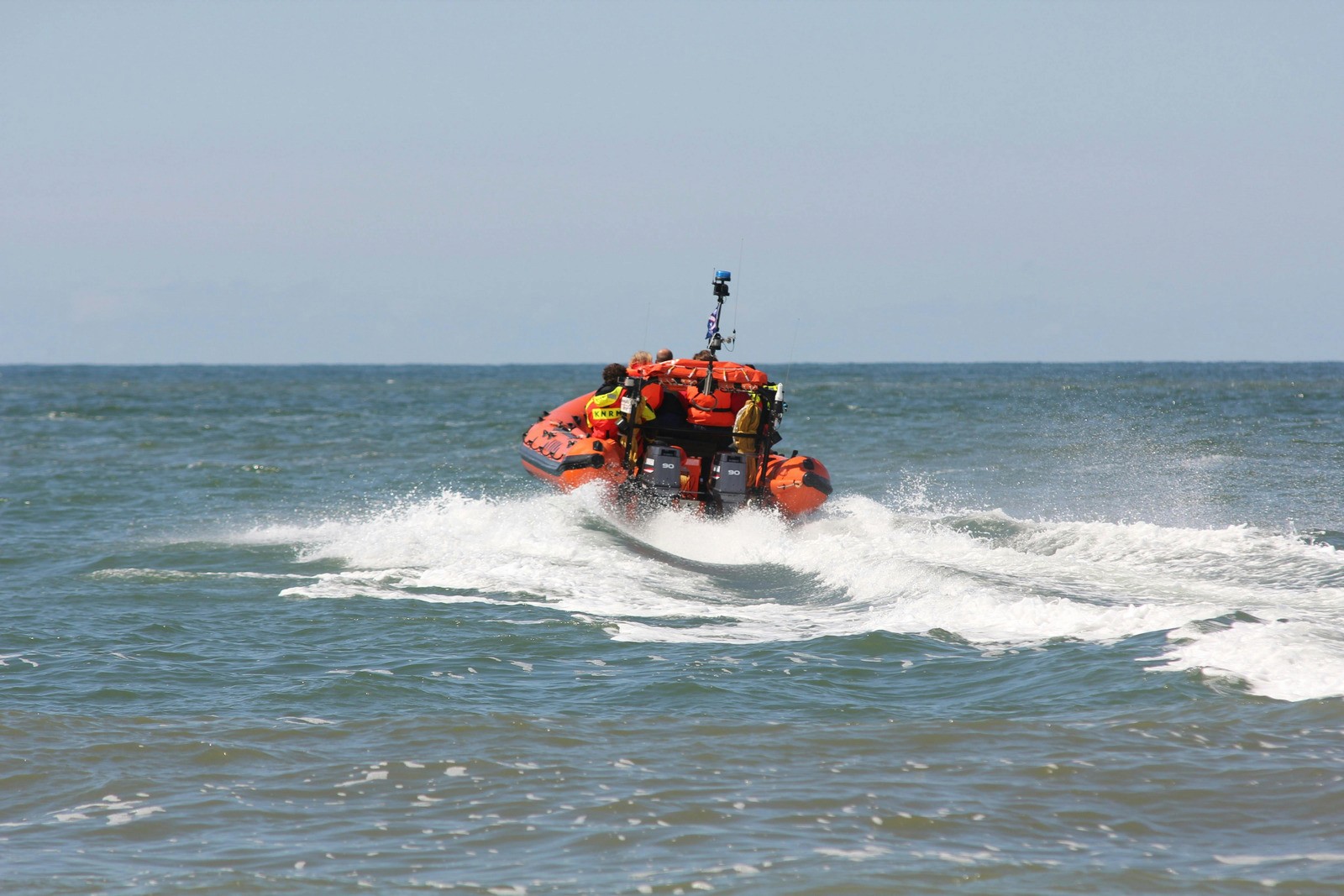
Water rescue boat in the sea.
  • Personnel on the ground in 4 hours

  • Site Assessment

  • Establish Site Specific Risk Inspection

  • Establish Risk Matrix

  • Develop Fire Emergency Evacuation Plan

  • Establish ERP

  • Liaise with local Fire Station

  • Risk Assessment reviewed

  • Significant findings considered

  • Patrol and Reporting established

What Is Water Rescue Training?

Water rescue training prepares staff and responders to work safely in, on, or near water, and to carry out rescues or support operations during flooding or water-related incidents.

In the UK, water rescue capability is guided by DEFRA’s Flood Rescue Concept of Operations (FRCO), which sets out national standards for team roles, training, and equipment. Our courses align with these standards to ensure interoperability with emergency services.

A professional water rescue training programme enables participants to:

  • Recognise water and flood hazards such as fast water, hidden currents, contamination, and cold-water shock

  • Apply safe systems of work when operating near rivers, canals, lakes, reservoirs, docks, or floodwater

  • Use “reach, throw, wade, row” rescue principles and basic technical rescue skills

  • Correctly use and maintain lifejackets, buoyancy aids, throwlines, and other water safety equipment

  • Work effectively alongside Fire & Rescue Services and other agencies during major flood incidents
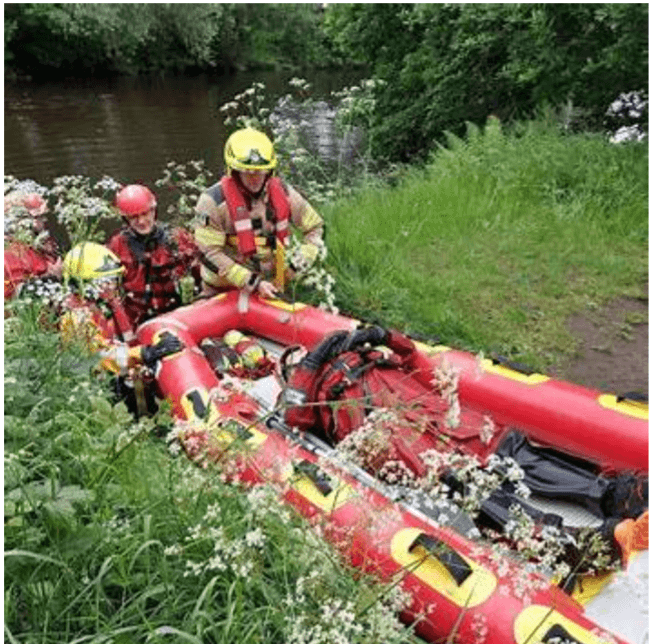
Our Water Rescue Training Course Levels at Fire & Evacuation Services

At Fire & Evacuation Services, we provide a tiered training structure designed to meet the needs of organisations with varying levels of water risk. Each water rescue training course aligns with national guidance and equips staff with the skills and confidence required for their role.

Level 1

Water Awareness

Ideal for staff who work near water or may encounter floodwater during normal operations. This introductory course covers:

  • Key water and flood hazards

  • Safe systems of work

  • Personal protective equipment (PPE)

  • Emergency procedures and incident reporting

Level 2

First Responder / Wader

Designed for personnel who may need to enter shallow, moving water in a controlled environment. This course includes:

  • Practical wading techniques

  • Hazard recognition and dynamic risk assessment

  • Use of throwlines and simple rescue methods

  • Supporting evacuations and protecting critical assets

Level 3

Specialist Water Rescue

A comprehensive programme for teams undertaking in-water operations. This course includes:

  • Boat-based rescues and casualty handling

  • Night operations and low-visibility searches

  • Complex rescues and multi-agency coordination

Our Water Rescue Training Course Levels at Fire & Evacuation Services

At Fire & Evacuation Services, we provide a tiered training structure designed to meet the needs of organisations with varying levels of water risk. Each water rescue training course aligns with national guidance and equips staff with the skills and confidence required for their role.

Level 1

Water Awareness

Ideal for staff who work near water or may encounter floodwater during normal operations. This introductory course covers:

  • Key water and flood hazards

  • Safe systems of work

  • Personal protective equipment (PPE)

  • Emergency procedures and incident reporting

Level 2

First Responder / Wader

Designed for personnel who may need to enter shallow, moving water in a controlled environment. This course includes:

  • Practical wading techniques

  • Hazard recognition and dynamic risk assessment

  • Use of throwlines and simple rescue methods

  • Supporting evacuations and protecting critical assets

Level 3

Specialist Water Rescue

A comprehensive programme for teams undertaking in-water operations. This course includes:

  • Boat-based rescues and casualty handling

  • Night operations and low-visibility searches

  • Complex rescues and multi-agency coordination

Who benefits from a fire warden training course


  • Designated Fire Wardens. Anyone who has been appointed to take on the role of a fire warden within their workplace.

  • Managers and Supervisors. As a manager, you are responsible for overseeing fire safety and emergency procedures within their teams or departments, therefore it is crucial that you understand what to do in the event of a fire.

  • Safety Officers. Understanding fire safety is an important part of the role of professionals who are dedicated to enhancing workplace safety and compliance.

  • Health and Safety Personnel. Individuals whose roles are focused on maintaining and improving overall workplace safety need to be aware of efficient fire safety responses.

  • Business Owners. Those with a vested interest in ensuring the well-being of their employees and visitors should show a proactive approach in maintaining safety.

  • Employees and Staff. All team members can benefit from a basic understanding of fire safety, especially in emergency situations.

Who Can Water Rescue Training Benefit?

Although traditionally associated with Fire & Rescue Services, many sectors now face increasing flood exposure and can significantly benefit from structured water safety or water rescue training. Our courses are suitable for:

  • Local authorities & housing associations - Staff involved in community flood plans, vulnerable person checks, sandbag deployment, and rest centre management.

  • Industrial, logistics & warehousing sites - Especially those located near rivers, coastal areas, or drainage channels.

  • Utilities & critical infrastructure providers - Field operatives accessing pumping stations, substations, treatment works, and trackside assets during adverse conditions.

  • Construction & civil engineering companies - Personnel working around bridges, culverts, flood defences, canals, or river structures.

  • Education, leisure & tourism settings - Schools, recreational water providers, marinas, holiday parks, and visitor sites in flood-prone areas.

  • Security, facilities & estate management teams - Staff who are often first on scene when water levels rise unexpectedly.

  • Voluntary & community flood groups - Community responders supporting local preparedness and welfare during flood warnings.

What is the difference between fire warden and fire marshal training

In the UK, the responsibilities of a fire warden and a fire marshal are identical. Fire wardens and marshals are civilians and not part of the fire brigade. This course provides knowledge and training to those wanting to provide fire safety as a fire warden or a fire marshal.

What Are the Benefits of Water Safety Training Courses?

Life Safety & Risk Reduction

  • Reduces the risk of drowning and water-related injury by improving hazard awareness and safe behaviour.

  • Enhances on-scene decision-making during dynamic and fast-changing flood conditions.

  • Improves support for vulnerable people during evacuation or shelter-in-place planning.

Legal Compliance & Duty of Care

  • Demonstrate compliance with health and safety law.

  • Ensure staff can implement emergency rescue arrangements.

  • Reduce the likelihood of enforcement action or reputational damage after incidents.

Greater Organisational Resilience

  • Make informed decisions around site closure, asset relocation, and protection.

  • Minimise downtime during flood events.

  • Integrate smoothly with emergency services using shared terminology and FRCO-aligned practices.

Alignment With National Standards

  • Standardised rescue techniques.

  • Clear communication methods.

  • Effective coordination with Fire & Rescue Services during major flood incidents.

Who benefits from a fire warden training course


  • Designated Fire Wardens. Anyone who has been appointed to take on the role of a fire warden within their workplace.

  • Managers and Supervisors. As a manager, you are responsible for overseeing fire safety and emergency procedures within their teams or departments, therefore it is crucial that you understand what to do in the event of a fire.

  • Safety Officers. Understanding fire safety is an important part of the role of professionals who are dedicated to enhancing workplace safety and compliance.

  • Health and Safety Personnel. Individuals whose roles are focused on maintaining and improving overall workplace safety need to be aware of efficient fire safety responses.

  • Business Owners. Those with a vested interest in ensuring the well-being of their employees and visitors should show a proactive approach in maintaining safety.

  • Employees and Staff. All team members can benefit from a basic understanding of fire safety, especially in emergency situations.

What Equipment Is Covered in Water Rescue Courses?

Personal Protective Equipment (PPE)

Participants learn how to use, inspect, and maintain:

  • Lifesaving equipment such as lifejackets & buoyancy aids

  • Dry suits or wet suits

  • Water rescue helmets

  • Gloves, boots, and thermal protection

  • High-visibility and lighting equipment

Training includes correct fitting, pre-use checks, decontamination, and storage.

Rescue & Safety Equipment

Depending on the training level, participants may use:

  • Throwlines and reach poles

  • Grab lines and wading poles

  • Inflatable boats or rescue sleds (specialist level)

  • Rescue boards and stretchers

  • Portable pumps and barriers for water management

  • Waterproof radios and communication systems

Course content progresses from simple awareness skills (“reach and throw”) to complex in-water, boat, and multi-agency rescue scenarios.

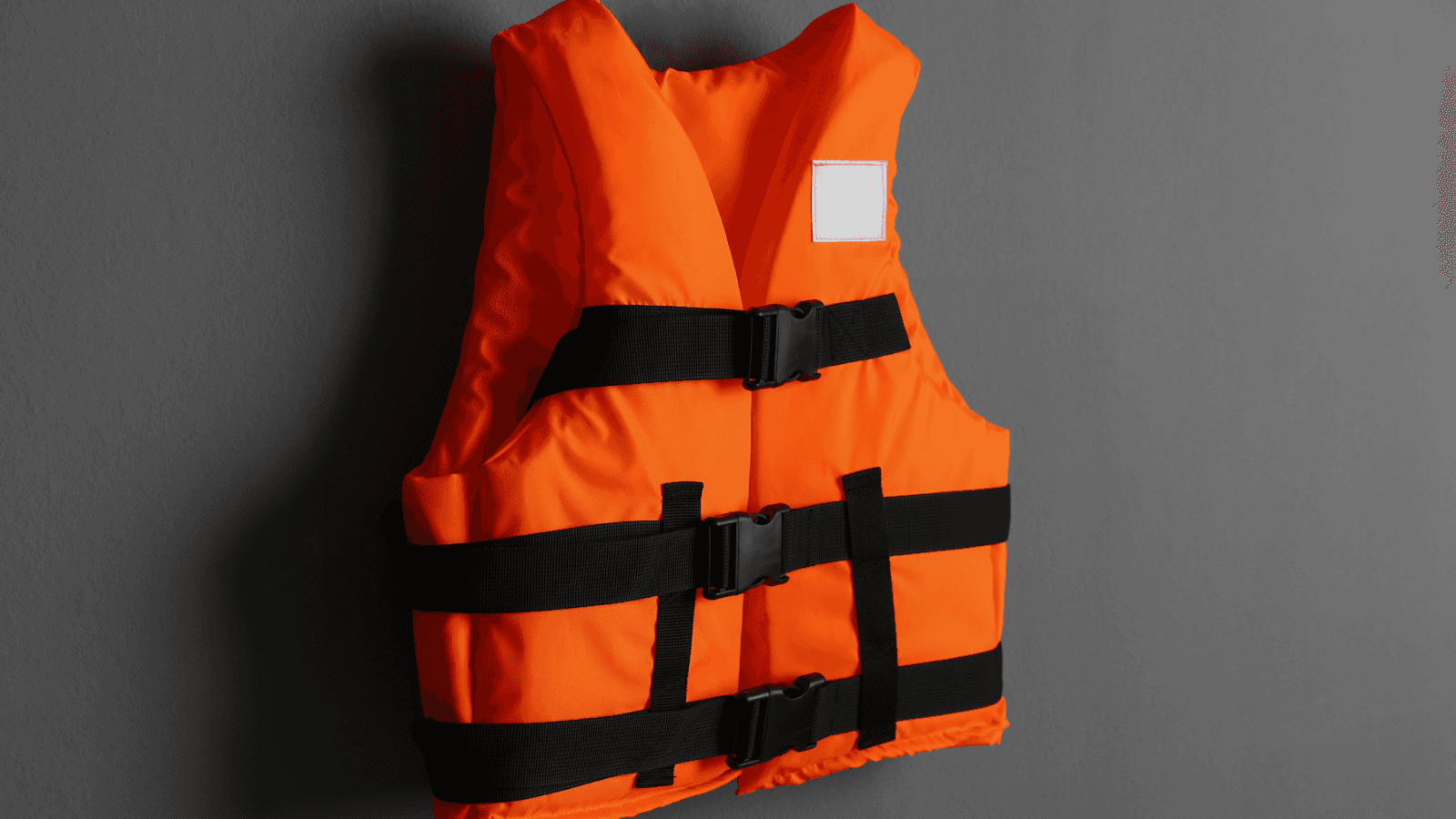
Orange lifejacket.

Who benefits from a fire warden training course


  • Designated Fire Wardens. Anyone who has been appointed to take on the role of a fire warden within their workplace.

  • Managers and Supervisors. As a manager, you are responsible for overseeing fire safety and emergency procedures within their teams or departments, therefore it is crucial that you understand what to do in the event of a fire.

  • Safety Officers. Understanding fire safety is an important part of the role of professionals who are dedicated to enhancing workplace safety and compliance.

  • Health and Safety Personnel. Individuals whose roles are focused on maintaining and improving overall workplace safety need to be aware of efficient fire safety responses.

  • Business Owners. Those with a vested interest in ensuring the well-being of their employees and visitors should show a proactive approach in maintaining safety.

  • Employees and Staff. All team members can benefit from a basic understanding of fire safety, especially in emergency situations.

Orange lifejacket.

Where is Water Safety Training Most Valuable?

Flood-Prone Regions & Communities

Ideal for towns, villages, coastal areas, and urban zones regularly affected by river or surface-water flooding.

Premises With Water On or Adjacent to the Site

Transport & Infrastructure Corridors

Strategic & Corporate Organisations

How We Deliver Water Rescue Training Courses at Fire & Evacuation Services

Risk-Led Assessment

We assess your location’s water and flood risks, reviewing proximity to watercourses, site history, and flood-warning data.

Tiered Training Packages

  • Level 1 – Water Awareness

  • Level 2 – Working Near & In Shallow Water

  • Level 3 – Specialist Water Rescue Teams

Integrated Plans & Procedures

We help update your emergency plans, safe havens, evacuation routes, and flood-response protocols.

Assurance & Governance

You receive full competence records, training logs, and refresher programmes to maintain compliance.

Support During Heightened Flood Risk

We offer pre-season briefings and rapid refresher sessions when national flood alerts rise.

Who benefits from a fire warden training course


  • Designated Fire Wardens. Anyone who has been appointed to take on the role of a fire warden within their workplace.

  • Managers and Supervisors. As a manager, you are responsible for overseeing fire safety and emergency procedures within their teams or departments, therefore it is crucial that you understand what to do in the event of a fire.

  • Safety Officers. Understanding fire safety is an important part of the role of professionals who are dedicated to enhancing workplace safety and compliance.

  • Health and Safety Personnel. Individuals whose roles are focused on maintaining and improving overall workplace safety need to be aware of efficient fire safety responses.

  • Business Owners. Those with a vested interest in ensuring the well-being of their employees and visitors should show a proactive approach in maintaining safety.

  • Employees and Staff. All team members can benefit from a basic understanding of fire safety, especially in emergency situations.

Why Choose Fire & Evacuation Services for Your Water Rescue Courses?

Expert Firefighter-Led Team - Our trainers have extensive operational experience in real flood response and water rescue incidents.

Nationwide, 24/7 Coverage - We deploy anywhere in the UK within hours to support your training and preparedness needs.

DEFRA & National Guidance Aligned - All training aligns with DEFRA FRCO, NFCC guidance, and recognised water safety standards.

Tailored Training for Every Sector -  From industrial sites to community groups, we design courses around your environment and risk profile.

Accredited & Trusted - We hold ISO 9001:2015 and CHAS accreditation, ensuring high-quality governance and delivery standards.

What is the difference between fire warden and fire marshal training

In the UK, the responsibilities of a fire warden and a fire marshal are identical. Fire wardens and marshals are civilians and not part of the fire brigade. This course provides knowledge and training to those wanting to provide fire safety as a fire warden or a fire marshal.

Book Your Water Rescue Training with Fire & Evacuation Services Today

When you choose Fire & Evacuation Services, your team benefits from professional instruction grounded in real operational expertise. Our courses provide the competence and confidence your organisation needs to stay safe around water and respond effectively to flooding.

FAQs

How often should water rescue training be refreshed?

Do you offer bespoke courses for specific sites or hazards?

Can you integrate water rescue training into our emergency plans?

We are able to provide fire cover solutions to meet the needs of your business or premises whilst ensuring compliance with the relevant legislation.

@FESFirefighter 

TO FIND OUT MORE ABOUT OUR TRAINING SERVICES, GIVE US A CALL ON 015 3535 7153