
Jan 27, 2026

Outdoor events have seen a significant rise in popularity across the UK with 141.5 million visits annually in the UK. From musical festivals and food fairs to sporting events and cultural gatherings, thousands seek an open-air experience that offers entertainment, community, and fresh air. With thousands of events taking place each year with many accommodating large crowds and using temporary structures, cooking setups, generators, or even fireworks, fire precautions for outdoor events become a critical priority.
A single oversight can lead to dangerous incidents that threaten lives, disrupt events, and cause extensive property damage. Event organisers carry the responsibility of ensuring not only a successful experience but also a safe environment for all attendees, staff, and vendors.
This blog outlines the key fire safety precautions every event organiser should take when planning an outdoor gathering. From risk assessments and staff training to emergency planning and post-event protocols, these measures are essential for running a safe and compliant event.
Why Outdoor Event Fire Safety is Important
Outdoor events can present a variety of fire hazards that must be identified and managed early in the planning process. Unlike indoor venues, outdoor spaces often lack built-in fire suppression systems and controlled environments, making it crucial to implement adequate outdoor event fire safety measures.
From open flames used in cooking or entertainment to temporary electrical setups and dry vegetation, the risk factors at outdoor events can be diverse and unpredictable. Whether its high winds, hot temperatures, or equipment malfunctions, a small spark can turn into a serious emergency in moments.
Therefore, outdoor event fire safety is significant to ensure the safety of attendees, staff, vendors, and emergency personnel. By conducting thorough risk assessments, obtaining the right permits, and having trained personnel and emergency equipment on hand, organisers can create a safer environment for everyone involved.
In short, prioritising outdoor event fire safety isn’t just a regulatory requirement, it's a responsibility that supports the success and reputation of your event.
Common Outdoor Event Fire Hazards
Open flames from BBQs or grills - Open flames from BBQs or grills can easily ignite nearby flammable materials, making careful placement, constant supervision, and proper extinguishing methods nearby, essential.
Fireworks or pyrotechnic displays - Fireworks or pyrotechnic displays pose a high fire risk due to sparks and falling debris, requiring professional handling, safety clearances, and strict adherence to local regulations.
Electrical equipment - Generators, lighting rigs and sound systems are all a potential fire hazard. Ensure you identify any faulty wiring or overloading power sources which can all lead to ignition.
Environmental Factors that Increase Fire Risk
In addition to man-made risks, environmental factors can significantly increase the chances of a fire spreading. Dry weather can make grass and plants highly flammable, while strong winds can quickly fan flames and carry embers to other areas of the outdoor venue. The combination of natural and technical hazards means event organisers must access their surroundings and adapt safety measures accordingly.
Pre-Event Planning
Fire Safety Risk Assessment - Conducting a thorough fire risk assessment is essential to ensure your outdoor event has maximum fire safety measures in place to protect all visitors and employees. From identifying potential fire hazards and the people at risk to producing an adequate fire risk assessment report, fire risk assessments ensure every possible precaution is taken to prevent fire incidents.
Maximise the fire safety of your event with a thorough fire risk assessment with our experienced team of firefighters at Fire and Evacuation Services. From identifying fire hazards and the people at risk to producing an efficient emergency fire evacuation plan and report, you can be rest assured that your outdoor event will run smoothly with a professional fire risk assessment in place. Book your bespoke fire risk assessment for your outdoor event today →Permits and fire safety requirements - Before you host an outdoor event, it’s vital to consult with local fire departments and other relevant authorities to understand the specific permits and fire safety regulations that apply to your location. If you fail to meet the necessary regulations, you could face legal consequences such as fines, event shutdowns or increased liability in the event of an incident.
Choosing a safe location - When choosing the ideal location for your event, you should consider a venue with easy access for emergency vehicles, clear entry and exit routes, and enough space between structures to prevent fire spread. Avoid high-risk areas like dry grass fields or heavily wooded spots.
Emergency plans - Developing and communicating a clear evacuation plan is key. Ensure you mark emergency exits, establish safe assembly points and make sure all staff and volunteers understand their roles. Use signage and announcements to inform attendees of the basic safety procedures that have been put in place.
Fire Safety Equipment and Emergency Response Protocols
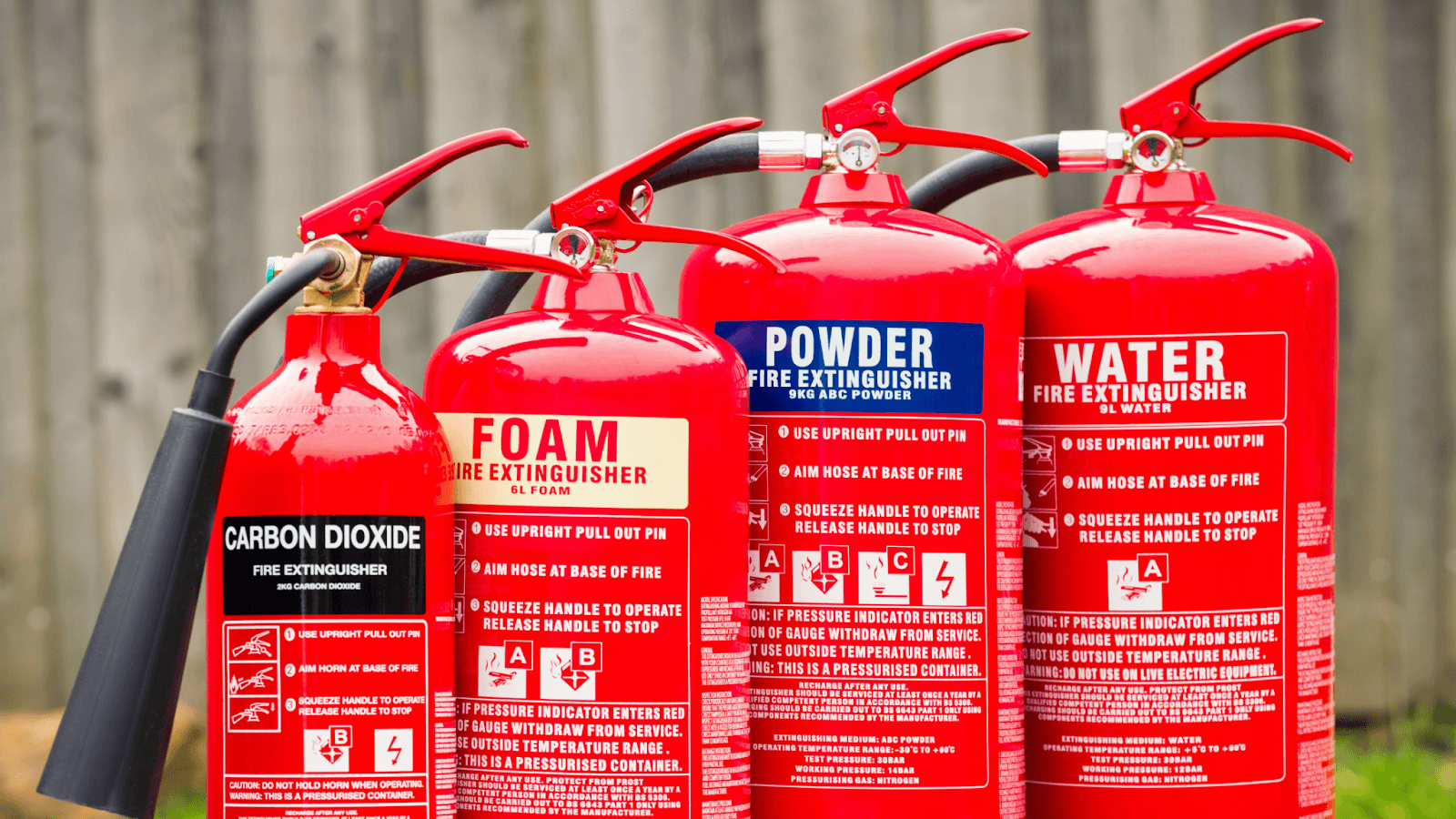
Having the necessary fire safety equipment and knowledge of emergency response protocols ensures you are ready to handle any fire incidents. The types of fire safety equipment you should have on-site include:
Fire extinguishers - Ensure your staff have adequate fire extinguisher training and understand the different extinguishers such as water, foam, dry powder, CO2, and wet chemical extinguishers.
Emergency response protocols - Another key factor is ensuring your employees know how to raise the fire alarm system, assist with evacuation, know where the fire assembly point is located and communicate with emergency services.
Fire drills - Conducting practice fire drills is an excellent way of getting your employees confident with their roles and responsibilities if a real emergency occurs.
Managing Fire Risks During your Outdoor Event
Once your event is in action, active fire risk management becomes crucial to maintaining a safe environment for attendees and staff.
Cooking and Catering Areas - Cooking areas should be set up in designated, well-ventilated areas away from crowds and flammable structures and materials. Use fire-resistant surfaces where possible, keep fire extinguishers nearby, and ensure that cooking equipment isn’t left unattended. Grease build-up and unattended heat sources are common fire starters, so cleanliness and oversight are key.
Generators and Electrical Equipment - Ensure all electrical setups including lighting, sound systems, and generators are installed by professionals and are inspected prior to use. Avoid overloading circuits and use weatherproof equipment suited for outdoor conditions. Cables should be secured to prevent tripping and accidental unplugging, which could lead to sparks or shorts.
Waste Management - Accumulated rubbish, especially paper, cardboard, and food packaging, can quickly become fuel for fires. Set up adequate and clearly market waste and recycling bins, and arrange for regular disposal throughout the event. Keep bins away from heat sources and cooking areas to avoid flammable materials catching alight. By being proactive with managing fire risks during an outdoor event, you significantly reduce the chance of a fire breaking out and spreading and ensure a faster, more effective response if one does occur.
Staff Training and Roles
It is crucial for all staff to be familiar with the event layout with an understanding of the emergency procedures which are in place and where the fire safety equipment is located. All staff and volunteers should receive basic fire safety training, including:
Fire extinguishers - Ensure your staff have adequate fire extinguisher training and understand the different extinguishers such as water, foam, dry powder, CO2, and wet chemical extinguishers.
Emergency response protocols - Another key factor is ensuring your employees know how to raise the fire alarm system, assist with evacuation, know where the fire assembly point is located and communicate with emergency services.
Fire drills - Conducting practice fire drills is an excellent way of getting your employees confident with their roles and responsibilities if a real emergency occurs.
Special Considerations

Fireworks and pyrotechnics - Does your event include fireworks or pyrotechnic effects? Ensure you use licensed professionals who are trained in safe handling and operation to avoid any accidents from happening. Ensure all displays comply with local regulations, and maintain safe distances from the audience, structures, and vegetation.
Weather - The weather of outdoor environments is unpredictable. Whether the weather is dry, windy, or excessively hot, severe weather conditions can increase the risk of a fire. Monitor weather forecasts closely in the days leading up to your event and during. Be prepared to delay, modify, or cancel high-risk activities if conditions become too dangerous. Communicate these decisions transparently with attendees and vendors.
Communication and Signage
Clear fire safety signage for fire exits and fire equipment - Ensure that all emergency exits, fire extinguishers, and fire assembly points are clearly marked with visible fire safety signage. Signs should be easy to understand and placed at eye level in key areas around the venue.
Public address systems for emergency communication - Having a reliable PA system or emergency alert method in place to deliver real-time instructions to attendees is essential in a real emergency situation. Test the system before the event begins and make sure designated staff are trained in its use.
Informing attendees about basic safety rules - Promote basic fire safety awareness by informing guests of key rules, such as no smoking in restricted areas, keeping pathways clear, and reporting suspicious behaviour or hazards. This can be done through signage, event programs, mobile apps, or announcements.
Clear, consistent communication helps prevent panic and enables swift, coordinated action when it matters most.
Post-Event Protocol
Fire safety doesn’t end when the event is over. A thorough post-event protocol helps ensure the site remains safe and provides valuable insights for future planning.
Equipment Checks and Safe Dismantling - Once the event concludes, ensure all fire safety equipment such as extinguishers, hoses, and alarms are accounted for, checked for damage, and properly stored or returned. All temporary setups like stages, tents, cooking stations, and electrical equipment should be dismantled safely and in accordance with fire safety procedures, avoiding sparks or overheating during disconnection.
Waste Disposal and Firewatch - Properly dispose of any remaining flammable waste such as packaging, fuel containers, or used cooking materials. Appoint a firewatch team to remain on-site for a designated period after the event to monitor for any smouldering debris or lingering heat sources, especially in high-risk areas like BBQ zones or firework launch points.
Debrief with Staff - Organise a debrief session with your team to discuss the event’s safety performance. Review what went well, identify any incidents or near-misses, and document areas for improvement. This reflection not only enhances future planning but also helps build a stronger culture of safety among your staff and volunteers.
Partner with Fire Safety Professionals for Your Next Event
Looking to secure the fire safety of your outdoor event with professionals? Fire and Evacuation Services are your trusted fire service safety provider with over a century of experience in the firefighter industry. From conducting a thorough fire risk assessment to removing any post-event fire hazards, you can create your bespoke fire safety package for your event. We provide fire safety for events including:
Music festivals
Country fairs/village fetes
Music events
Shows
Fairs
Open-air events
Community events
Any public event